header layer
Close up view of teen with jeans and white boots, holding fidget spinner,

This section brings together information about organisations and services that offer advice and support for neurodivergent children and young people and their families in Torbay. They are grouped into the following topics:

You do not need to work through the topics in order. Choose the type of support you are looking for now. You may find useful organisations in more than one section, and your needs may change over time.


Getting advice

This section includes organisations and services that provide information, advice and guidance about neurodiversity.

You may find information about autism, ADHD and other forms of neurodivergence, advice for parents and carers, local groups and activities, and information about assessment and other services.

You do not need a diagnosis to seek advice from many of the organisations listed here. Check each organisation’s information to find out what it offers and how to access it.

  • ADHD UK


    Providing information and peer support for people affected by ADHD, including people with ADHD and those close to them.

    Details

    ADHD UK provides information about ADHD, diagnosis, education, work and NHS Right to Choose.

    Support includes:

    • online video support groups
    • online drop-in clinics and expert-led events
    • support groups for parents
    • an online community
    • information about diagnosis pathways for adults and children
    • an adult ADHD screener

    Age

    Children, young people and adults.

    How to access

    Visit the ADHD UK website for information and support. You can also join online support groups, drop-in clinics and the online community.

    Contact

    Website: https://adhduk.co.uk/

    Support: https://adhduk.co.uk/support/

    Online community: https://community.adhduk.co.uk/

    Open in new tab to share or print: ADHD UK

    Last updated:


  • Autism Health Passport


    A free document, helping autistic people share important information about themselves and their health and communication preferences.

    Details

    • It records important personal and relevant medical information.
    • It explains how the person prefers to communicate.
    • It helps health professionals understand individual needs
    • It can be taken to medical appointments and healthcare settings
    • It supports better communication between autistic people and healthcare staff

    Age

    All ages

    Eligibility

    Open to all autistic people and anyone who may benefit from using a health passport

    How to access

    Download the free Autism Health Passport from the Torbay Council website and complete it. The passport can then be taken to medical appointments and shared with health professionals.

    Needs supported

    • Autism
    • Speech, language and communications

    Area covered

    Torbay

    Cost

    Free

    Contact

    Website: My health passport


    Open in new tab to share or print: Autism Health Passport

    Last updated:

    Torbay Council logo

  • Carers of adults who have an Autism Spectrum Condition (ASC)


    A friendly and informal space for carers of adults who have ASC (without a learning disability). Share experiences, access information and receive support

    Details

    The drop-in provides:

    • Peer support from other carers of adults who have an Autism Spectrum Condition (ASC) without a learning disability
    • A safe and welcoming environment to talk about caring experiences
    • Information about local services, support and resources
    • Opportunities to reduce isolation and build connections with other carers
    • Advice and signposting to further support where needed

    One-to-one appointments are available.

    Age

    Parents, carers and guardians.

    Eligibility

    For people who provide care or support for an adult who have an Autism Spectrum Condition (ASC) without a learning disability

    How to access

    Contact Signposts for Carers for information about upcoming sessions, venues and times, or simply attend a drop-in session where available.

    Needs supported

    • Autism Spectrum Condition (ASC) with out a learning disability

    Area(s) covered

    Torbay and surrounding areas in south Devon.

    Cost

    Free.

    Contact

    Website: Torbay Carers Service

    Email: Trish Darke


    Open in new tab to share or print: Carers of adults who have an Autism Spectrum Condition (ASC)

    Last updated:

    Dimensions for Autism

  • Devon and Cornwall Autism Card


    This card helps autistic people communicate their needs to others, including emergency services, healthcare professionals and members of the public.

    Details

    The card allows the holder to discreetly tell others that they are autistic, helping people adjust how they communicate and interact. The card also includes information on the reverse: a website address for more information, and space to add the name and telephone number of an emergency contact.

    Eligibility

    Available to anyone living in Devon or Cornwall who identifies as autistic. A formal autism diagnosis is not required.

    How to access

    Individuals can request a card by:

    Children and young people under 18 should ask a parent, guardian or carer to request a card on their behalf.

    Needs supported

    • Autism

    Area covered

    Devon and Cornwall.

    Cost

    Free, including postage and packaging.

    Contact

    Email
    autismcard@dimensionsforautism.life

    Phone
    07496 496651

    Web
    Devon and Cornwall Autism Card 


    Open in new tab to share or print: Devon and Cornwall Autism Card

    Last updated:

    Dimensions for Autism

  • Kooth


    A free, safe and anonymous online mental health and wellbeing service for young people.

    Details

    Kooth offers:

    • Online text-based support from qualified counsellors and trained practitioners
    • A safe and anonymous space to discuss worries and emotions
    • Moderated peer support and discussion forums
    • Wellbeing activities and self-help resources
    • Online journalling tools to help track thoughts and feelings
    • Access to support without referral or waiting lists

    Young people can access support at their own pace and choose how much they engage with the service.

    Age

    All young people

    Eligibility

    Open to young people. Registration is free and confidential

    How to access

    Young people can register online and access support directly through the Kooth website. No referral from a GP, school or other professional is required.

    Opening hours

    The platform is available 24 hours a day, 365 days a year. Professional practitioners are available at set times, including evenings and weekends.

    Needs supported

    Social, emotional and mental health

    Area covered

    Nationwide

    Cost

    Free

    Contact

    Website: Kooth


    Open in new tab to share or print: Kooth

    Last updated:

    kooth logo

  • National Autistic Society


    A national organisation that offers information, advice and support to people with Autism and Autistic Spectrum Conditions, their families, carers & professionals.

    Details

    The National Autistic Society provides advice and guidance about autism and challenges autistic people and their families may face.

    Its online information covers topics including:

    • autism
    • diagnosis
    • communication
    • mental health
    • education
    • sensory differences
    • loneliness
    • benefits and money

    The charity also provides several ways to find information and support.

    Information and guidance enquiries

    Autistic people, their families and supporters living in the UK can submit an online enquiry.

    Trained advisers provide information, guidance on next steps and signposting to relevant services or resources.

    Online community

    The online community is available 24 hours a day. Autistic people and their families can connect with others, ask questions and share experiences.

    Parent to Parent Emotional Support Service

    Parents and carers can request emotional support about their autistic child or adult child.

    Trained parent volunteers provide a safe space to talk about feelings and experiences. The service provides emotional support rather than advice or guidance.

    Autism Services Directory

    The directory helps people find local and UK-wide organisations and services for autistic people and their families.

    Local and online branches

    Volunteer-led branches provide support, information and social activities for autistic children, adults and their families.

    There are also online branches for people with shared interests, identities or experiences.

    Age

    Children and adults

    Eligibility

    The information and guidance enquiry service is for autistic people, their families and supporters who live in the UK.

    The Parent to Parent Emotional Support Service is for parents and carers seeking emotional support about an autistic child or adult child.

    How to access

    Visit the National Autistic Society website to access advice and guidance, search the Autism Services Directory or join the online community.

    If you cannot find the information you need, you can submit an information and guidance enquiry online. The service aims to respond within 10 calendar days.

    Parents and carers can also request a call from the Parent to Parent Emotional Support Service using an online form.

    Opening hours and times

    The online community is available 24 hours a day.

    Contact

    Website: https://www.autism.org.uk/

    Information and guidance:
    https://www.autism.org.uk/advice-and-guidance/contact-us

    Help and support:
    https://www.autism.org.uk/advice-and-guidance/help-and-support

    The National Autistic Society does not provide a crisis or emergency service. People who need urgent help should use the emergency and urgent support services listed on its website.


    Open in new tab to share or print: National Autistic Society

    Last updated:


  • Neurodiversity information and support: MyHealth Devon


    Online directory of services, guidance, resources and support for children and young people who are neurodivergent.

    Details

    The website includes:

    • Information about neurodiversity and neurodevelopmental conditions
    • Advice and support for children, young people and families
    • Links to local services and support available in Torbay, Devon and Plymouth
    • Information about neurodevelopmental assessment pathways
    • Resources, videos and practical guidance
    • Support organised using the i-THRIVE model, including:
      • Getting advice
      • Getting help
      • Getting more help
      • Getting urgent help
    • Information about local SEND offers and community support

    Age

    Children and young people.

    Parents, carers and guardians.

    Eligibility

    Open to all.

    How to access

    Visit the website to access information, resources and links to local and national support services.

    Needs supported

    • ADHD
    • Autism
    • Learning disability
    • Sensory processing needs
    • Social, emotional and mental health
    • Speech, language and communication

    Areas covered

    Devon, Plymouth and Torbay.

    Cost

    Free.

    Contact

    Website: MyHealth Devon: Neurodiversity


    Open in new tab to share or print: Neurodiversity information and support: MyHealth Devon

    Last updated:


  • Neurodiversity Pathway from CFHD


    Information, guidance and support for children, young people and families who may be seeking an autism assessment or support for neurodiversity.

    Details

    • Autism assessment services for children and young people.
    • Information about autism and neurodiversity.
    • Access to specialist professionals, including psychologists, psychiatrists, occupational therapists and speech and language therapists.
    • Neurodiversity advice and guidance for families.
    • Information on the autism assessment process.
    • Signposting to resources, FAQs and support services.
    • Access to a free and confidential Neurodiversity Pathway Advice Line

    Age

    Children ages 0 – 18

    Children and young people in Devon (excluding Plymouth) who require an autism assessment or neurodiversity support.

    How to access

    Access is through referral to the Neurodiversity Pathway. Information and resources can also be accessed directly through the website. Families can use the Neurodiversity Pathway Advice Line for advice and guidance.

    Needs supported

    • Autism
    • Speech, language and communication

    Area covered

    Devon (excluding Plymouth)

    Contact

    Website: Children and Family Health Devon Neurodiversity Pathway

    Advice Line: 01752 435404 (Monday to Friday, 9am to 5pm)


    Open in new tab to share or print: Neurodiversity Pathway from CFHD

    Last updated:

    Children and family health Devon

  • SEND resources for parents and carers


    Online guides helping families understand SEND support, prepare for key transition points and build positive conversations about their child’s needs and support.

    Details

    Resources available include:

    • Guides to understanding SEND support in schools and colleges
    • Advice on building positive relationships with education settings
    • Questions to help parents and carers prepare for meetings with schools
    • Information about returning to school after a period of absence
    • Guidance on preparing for transitions, including moving on from Year 11
    • Resources to support successful transitions into further education and adulthood
    • Toolkits to support co-production and partnership working between families and professionals

    Resources can be downloaded and used at any time.

    Age

    Parents, carers and guardians.

    Eligibility

    Open to all parents and carers of children and young people with special educational needs and disabilities (SEND).

    How to access

    Visit the Whole School SEND website and download the resources that are relevant to your family. No referral is needed.

    Needs supported

    • ADHD
    • Autism
    • Learning disability
    • Physical disability
    • Sensory processing needs
    • Social, emotional and mental health
    • Speech, language and communication

    Area covered

    Nationwide.

    Cost

    Free.

    Contact

    Website: Whole School SEND parents and carers resources


    Open in new tab to share or print: SEND resources for parents and carers

    Last updated:

    Whole school SEND

  • Tissues and Issues CIC


    Providing practical, emotional and advocacy support for parents and carers of children and young people with additional needs. It also supports families awaiting a diagnosis.

    Details

    Tissues and Issues CIC is a parent-led organisation that provides tailored support to families.

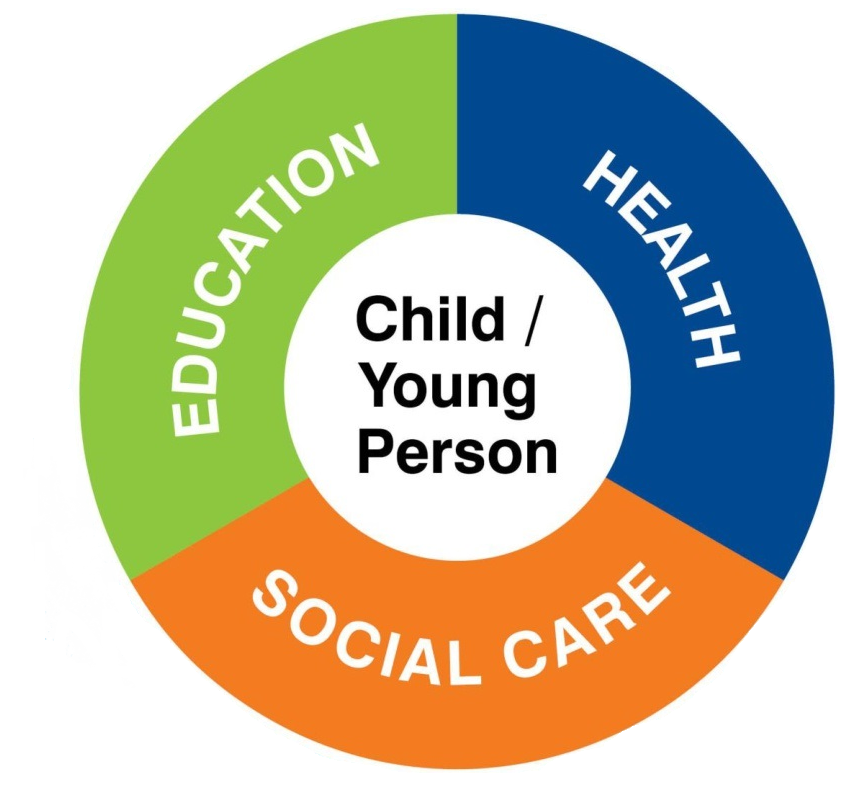
    It supports families who need help navigating education, health, social care and welfare systems.

    Support includes:

    • helping parents understand their rights and the support available
    • helping families access education, healthcare, financial assistance and community services
    • advocacy before, during and after meetings with schools, healthcare professionals and other agencies
    • helping families understand reports and prepare questions for meetings
    • confidential listening support, informal advice and reassurance
    • signposting to specialist services where appropriate
    • peer support groups and informal drop-in sessions
    • community activities and online support through its Facebook group
    • outreach support for families who cannot attend the support centre
    • one-to-one support with Disability Living Allowance applications and Education, Health and Care Plan forms.

    Age

    For parents and carers.

    Eligibility

    The service supports parents and carers of children and young people who have recognised disabilities or additional needs.

    Families can also get support while they are awaiting a diagnosis.

    How to access

    Families can contact Tissues and Issues CIC directly. The organisation accepts self-referrals.

    It also accepts referrals from:

    • schools
    • GPs
    • health professionals
    • SEND services
    • community organisations
    • voluntary sector partners.

    Opening hours and times

    Information about upcoming events and drop-in sessions is available through the organisation’s Facebook group.

    Contact

    Tissues and Issues CIC
    Parent and Carer Support Centre
    61 Market Street
    Torquay

    Phone:01803 354225 or 07928 743348
    Email: tissuesandissues@outlook.com
    Website: Tissues and Issues CIC
    Facebook: Tissues and Issues

    Open in new tab to share or print: Tissues and Issues CIC

    Last updated:

    Tissues and issues logo

Getting help

This section includes organisations and services that provide practical support for particular needs or challenges affecting children, young people and their families.

This might include support with emotional wellbeing, sleep, routines, communication, sensory needs, behaviour, relationships or confidence. You may also find groups, activities, workshops and support for parents and carers.

Each organisation has its own eligibility and referral arrangements. Check the information provided for each service to find out whether it can support you and how to access it.

  • ADHD UK


    Providing information and peer support for people affected by ADHD, including people with ADHD and those close to them.

    Details

    ADHD UK provides information about ADHD, diagnosis, education, work and NHS Right to Choose.

    Support includes:

    • online video support groups
    • online drop-in clinics and expert-led events
    • support groups for parents
    • an online community
    • information about diagnosis pathways for adults and children
    • an adult ADHD screener

    Age

    Children, young people and adults.

    How to access

    Visit the ADHD UK website for information and support. You can also join online support groups, drop-in clinics and the online community.

    Contact

    Website: https://adhduk.co.uk/

    Support: https://adhduk.co.uk/support/

    Online community: https://community.adhduk.co.uk/

    Open in new tab to share or print: ADHD UK

    Last updated:


  • AIMS service for Autism, ADHD and AuDHD


    Mentoring, information and support for autistic people, people with ADHD and people with AuDHD. Build confidence and develop practical strategies that support independence and wellbeing.

    Details

    The A.I.M.S Service offers:

    • Pre-diagnosis and post-diagnosis support
    • Mentoring for autistic people, people with ADHD and people with AuDHD
    • Support to understand and manage social situations
    • Help to develop coping strategies
    • Opportunities to discuss and reflect on experiences
    • Support to promote independence
    • Signposting to advocacy services and other neurodiversity-friendly support
    • Guidance for mainstream services and workplaces on supporting neurodivergent people

    The service is a mentoring service rather than counselling or psychotherapy. Sessions are available fortnightly or monthly.

    Age

    Adults 18+

    Eligibility

    For autistic people, people with ADHD and people with AuDHD who would benefit from mentoring, guidance and support.

    How to access

    Contact Therapy Services South West CIC to discuss your needs and arrange support. Sessions are available:

    • Face to face
    • Online
    • By telephone

    Needs supported

    • ADHD
    • Autism
    • Sensory processing needs
    • Social, emotional and mental health
    • Speech, language and communication

    Area covered

    South West England.

    Cost

    Please contact the provider for details of fees and availability.

    Contact

    Website: Therapy Services South West CIC

    Email: admin@therapyservicessouthwest.co.uk


    Open in new tab to share or print: AIMS service for Autism, ADHD and AuDHD

    Last updated:

    Therapy Services SW

  • Autism Central


    Free NHS-funded programme for families and support networks of autistic people of all ages. Providing education, peer support, coaching and practical resources.

    Details

    Autism Central offers:

    • Free one-to-one peer support sessions
    • Online group learning events and workshops
    • Education sessions for families and carers
    • Practical information and guidance about autism
    • Blogs, podcasts, videos and learning resources
    • Opportunities to connect with other families and carers
    • Support to build confidence when navigating services and support systems
    • Advice based on lived experience from autistic people and families

    Support is available for families of autistic children, young people and adults.

    Age

    All ages.

    Eligibility

    Open to families, carers and support networks of autistic people living in England.

    This includes:

    • Parents and carers
    • Partners
    • Siblings
    • Adult children
    • Friends
    • Personal assistants
    • Other people who support an autistic person

    How to access

    Visit the Autism Central website to access resources, book a one-to-one peer support session or register for online learning events.

    No referral is required.

    Needs supported

    • Autism
    • Social communication differences
    • Sensory processing differences
    • Emotional wellbeing

    Area covered

    England.

    Cost

    Free.

    Contact

    Web
    Autism Central


    Open in new tab to share or print: Autism Central

    Last updated:

    Autism central

  • Family Help


    Family Help offers universal and targeted services to children, young people and their families.

    Details

    Our Family Help service is available to children and their families and is made up of two types of services that combine to form Torbay’s Early Help offer. These are universal services and targeted services.

    • Universal services include: Post-16 education, schools, early years settings, housing and finance advice and support, family hubs, children’s centres and youth centres, GP surgeries, libraries, maternity services, specialist public health or community nurses and community connectors
    • Targeted services include: Early Help Panel, Family support, health professionals, mental health services, special education needs support services, jobcentre plus, school attendance and exclusion support, domestic abuse services, alternative provision, housing services, police, substance misuse services and targeted youth services.

    Register and complete an Early Help assessment on the children’s portal

    Our Family Help universal offer covers an range of services which are available to all children and families.

    • Housing and cost of living surgeries
    • Youth Homeless Prevention Service
    • Family Group Conference
    • Parenting drop-ins
    • Parenting Teens Group
    • Reducing Parental Conflict/EPIC partnership for whole family support
    • Youth Service

    Visit the family help topic for more information and contact details.


    Open in new tab to share or print: Family Help

    Last updated:


  • Hidden Disabilities Sunflower


    Wearing a sunflower lanyard, badge or card is a simple way for people with non-visible disabilities, conditions or chronic illnesses to show that they may need extra support, understanding or time.

    Details

    The Hidden Disabilities Sunflower can help by:

    • Raising awareness of non-visible disabilities
    • Helping people communicate that they may need support
    • Encouraging understanding, patience and empathy from others
    • Supporting access to services, transport, education, workplaces and public spaces
    • Helping individuals feel more confident when out in the community

    The sunflower does not provide priority access, queue jumping or special treatment. It is a voluntary way of indicating that a person may need additional support or understanding.

    Age

    All ages.

    Eligibility

    Anyone with a non-visible disability, condition or chronic illness who feels they would benefit from additional understanding, support or time. No diagnosis is required.

    How to access

    Visit the Hidden Disabilities Sunflower website to find out more about the scheme, locate participating organisations and obtain sunflower products.

    Needs supported

    This can include, but is not limited to:

    • Autism
    • ADHD
    • Learning disabilities
    • Sensory processing differences
    • Mental health conditions
    • Chronic health conditions
    • Neurological conditions
    • Communication difficulties
    • Physical disabilities that may not be immediately visible

    Area(s) covered

    International.

    Cost

    Information on the website is free. Some Sunflower products may be available free from participating organisations or can be purchased directly.

    Contact

    Website:
    Hidden Disabilities Sunflower


    Open in new tab to share or print: Hidden Disabilities Sunflower

    Last updated:

    Hidden disabilities sunflower

  • Kooth


    A free, safe and anonymous online mental health and wellbeing service for young people.

    Details

    Kooth offers:

    • Online text-based support from qualified counsellors and trained practitioners
    • A safe and anonymous space to discuss worries and emotions
    • Moderated peer support and discussion forums
    • Wellbeing activities and self-help resources
    • Online journalling tools to help track thoughts and feelings
    • Access to support without referral or waiting lists

    Young people can access support at their own pace and choose how much they engage with the service.

    Age

    All young people

    Eligibility

    Open to young people. Registration is free and confidential

    How to access

    Young people can register online and access support directly through the Kooth website. No referral from a GP, school or other professional is required.

    Opening hours

    The platform is available 24 hours a day, 365 days a year. Professional practitioners are available at set times, including evenings and weekends.

    Needs supported

    Social, emotional and mental health

    Area covered

    Nationwide

    Cost

    Free

    Contact

    Website: Kooth


    Open in new tab to share or print: Kooth

    Last updated:

    kooth logo

  • National Autistic Society


    A national organisation that offers information, advice and support to people with Autism and Autistic Spectrum Conditions, their families, carers & professionals.

    Details

    The National Autistic Society provides advice and guidance about autism and challenges autistic people and their families may face.

    Its online information covers topics including:

    • autism
    • diagnosis
    • communication
    • mental health
    • education
    • sensory differences
    • loneliness
    • benefits and money

    The charity also provides several ways to find information and support.

    Information and guidance enquiries

    Autistic people, their families and supporters living in the UK can submit an online enquiry.

    Trained advisers provide information, guidance on next steps and signposting to relevant services or resources.

    Online community

    The online community is available 24 hours a day. Autistic people and their families can connect with others, ask questions and share experiences.

    Parent to Parent Emotional Support Service

    Parents and carers can request emotional support about their autistic child or adult child.

    Trained parent volunteers provide a safe space to talk about feelings and experiences. The service provides emotional support rather than advice or guidance.

    Autism Services Directory

    The directory helps people find local and UK-wide organisations and services for autistic people and their families.

    Local and online branches

    Volunteer-led branches provide support, information and social activities for autistic children, adults and their families.

    There are also online branches for people with shared interests, identities or experiences.

    Age

    Children and adults

    Eligibility

    The information and guidance enquiry service is for autistic people, their families and supporters who live in the UK.

    The Parent to Parent Emotional Support Service is for parents and carers seeking emotional support about an autistic child or adult child.

    How to access

    Visit the National Autistic Society website to access advice and guidance, search the Autism Services Directory or join the online community.

    If you cannot find the information you need, you can submit an information and guidance enquiry online. The service aims to respond within 10 calendar days.

    Parents and carers can also request a call from the Parent to Parent Emotional Support Service using an online form.

    Opening hours and times

    The online community is available 24 hours a day.

    Contact

    Website: https://www.autism.org.uk/

    Information and guidance:
    https://www.autism.org.uk/advice-and-guidance/contact-us

    Help and support:
    https://www.autism.org.uk/advice-and-guidance/help-and-support

    The National Autistic Society does not provide a crisis or emergency service. People who need urgent help should use the emergency and urgent support services listed on its website.

    Open in new tab to share or print: National Autistic Society

    Last updated:


  • Neurodiversity Pathway from CFHD


    Information, guidance and support for children, young people and families who may be seeking an autism assessment or support for neurodiversity.

    Details

    • Autism assessment services for children and young people.
    • Information about autism and neurodiversity.
    • Access to specialist professionals, including psychologists, psychiatrists, occupational therapists and speech and language therapists.
    • Neurodiversity advice and guidance for families.
    • Information on the autism assessment process.
    • Signposting to resources, FAQs and support services.
    • Access to a free and confidential Neurodiversity Pathway Advice Line

    Age

    Children ages 0 – 18

    Children and young people in Devon (excluding Plymouth) who require an autism assessment or neurodiversity support.

    How to access

    Access is through referral to the Neurodiversity Pathway. Information and resources can also be accessed directly through the website. Families can use the Neurodiversity Pathway Advice Line for advice and guidance.

    Needs supported

    • Autism
    • Speech, language and communication

    Area covered

    Devon (excluding Plymouth)

    Contact

    Website: Children and Family Health Devon Neurodiversity Pathway

    Advice Line: 01752 435404 (Monday to Friday, 9am to 5pm)


    Open in new tab to share or print: Neurodiversity Pathway from CFHD

    Last updated:

    Children and family health Devon

  • Talkworks


    Free and confidential NHS Talking Therapies service in Devon. It supports adults with common mental health difficulties such as anxiety, stress, low mood, sleep problems and panic attacks.

    Details

    Talkworks helps adults improve their mental and physical wellbeing through evidence-based talking therapies and support.

    They can help with:

    • Anxiety and excessive worry
    • Depression and low mood
    • Stress, including work-related stress
    • Sleep difficulties
    • Panic attacks
    • Phobias
    • Social anxiety
    • Health anxiety
    • Obsessive compulsive disorder (OCD)
    • Post-traumatic stress disorder (PTSD)
    • Prolonged grief
    • Emotional eating
    • Difficulties linked to a long-term health condition
    • Pregnancy and parenthood-related mental health difficulties
    • Menopause-related stress, anxiety or low mood
    • Mental health support for veterans

    Support may include:

    • One-to-one therapy sessions
    • Counselling
    • Wellbeing workshops
    • Interactive group courses
    • Online self-help resources
    • Employment support linked to mental health and work

    Appointments are available face to face, by telephone or by video call.

    Age

    • Adults aged 18 and over

    Eligibility

    You must:

    • Be aged 18 or over
    • Be registered with a GP in Devon
    • Live in Devon (excluding Plymouth)

    Talkworks supports people experiencing common mental health difficulties. It is not a crisis or emergency mental health service.

    How to access

    You can refer yourself directly without seeing a GP.

    To access support:

    • Complete the online self-referral form on the Talkworks website
    • Call the team on 0300 555 3344

    Healthcare professionals can also make referrals.

    Opening hours / times

    Telephone lines are open:

    • Monday to Friday
    • 9am to 4.45pm

    Area(s) covered

    • Devon (excluding Plymouth)

    Contact

    Email: dpt.talkworks@nhs.net

    Phone: 0300 555 3344

    Web: Talkworks


    Open in new tab to share or print: Talkworks

    Last updated:

    Talkworks logo

  • The Mental Health Support Team in Schools


    Providing early support for children and young people with mild to moderate mental health difficulties. It works with participating schools across Devon and Torbay.

    Details

    The Mental Health Support Team supports children and young people with difficulties such as:

    • anxiety
    • low mood
    • behavioural difficulties
    • managing emotions

    The team provides evidence-based, low-intensity cognitive behavioural therapy. This focuses on practical guided self-help.

    Support may take place individually or in groups, either face to face or online.

    The team also helps schools develop their approach to mental health and emotional wellbeing. Support for schools can include:

    • mental health workshops and training
    • consultations for education staff
    • support groups for children, young people and parents
    • mental health audits and planning
    • a Mental Health Ambassador programme
    • support for designated mental health leads

    Some groups and activities may require a referral.

    Age

    Children and young people aged 5 to 18.

    The service also supports parents and carers when this forms part of the child or young person’s support.

    Eligibility

    The service supports children and young people who:

    • attend a school covered by the Mental Health Support Team
    • live in Devon or Torbay, excluding Plymouth
    • have mild to moderate mental health or emotional wellbeing difficulties

    How to access

    • speak to a trusted member of staff at school or college
    • self-refer by asking the team for a service request form
    • request a form through a member of school staff

    Needs supported

    • Social, emotional and mental health
    • Undiagnosed needs

    Areas covered

    Devon and Torbay, excluding Plymouth.

    The service only works with participating schools.

    Cost

    Free.

    Contact

    Email: cfhd.devonspa@nhs.net
    Phone:0330 0245 321
    Website: Children and Family Health Devon Mental Health Support Team


    Open in new tab to share or print: The Mental Health Support Team in Schools

    Last updated:


  • Tissues and Issues CIC


    Providing practical, emotional and advocacy support for parents and carers of children and young people with additional needs. It also supports families awaiting a diagnosis.

    Details

    Tissues and Issues CIC is a parent-led organisation that provides tailored support to families.

    It supports families who need help navigating education, health, social care and welfare systems.

    Support includes:

    • helping parents understand their rights and the support available
    • helping families access education, healthcare, financial assistance and community services
    • advocacy before, during and after meetings with schools, healthcare professionals and other agencies
    • helping families understand reports and prepare questions for meetings
    • confidential listening support, informal advice and reassurance
    • signposting to specialist services where appropriate
    • peer support groups and informal drop-in sessions
    • community activities and online support through its Facebook group
    • outreach support for families who cannot attend the support centre
    • one-to-one support with Disability Living Allowance applications and Education, Health and Care Plan forms.

    Age

    For parents and carers.

    Eligibility

    The service supports parents and carers of children and young people who have recognised disabilities or additional needs.

    Families can also get support while they are awaiting a diagnosis.

    How to access

    Families can contact Tissues and Issues CIC directly. The organisation accepts self-referrals.

    It also accepts referrals from:

    • schools
    • GPs
    • health professionals
    • SEND services
    • community organisations
    • voluntary sector partners.

    Opening hours and times

    Information about upcoming events and drop-in sessions is available through the organisation’s Facebook group.

    Contact

    Tissues and Issues CIC
    Parent and Carer Support Centre
    61 Market Street
    Torquay

    Phone:01803 354225 or 07928 743348
    Email: tissuesandissues@outlook.com
    Website: Tissues and Issues CIC
    Facebook: Tissues and Issues

    Open in new tab to share or print: Tissues and Issues CIC

    Last updated:

    Tissues and issues logo

  • Young Devon My Way


    Providing free mental health and wellbeing support for young people. The service helps young people explore their feelings, build resilience and access the support that is right for them.

    Details

    MyWay offers:

    • One-to-one wellbeing support
    • Information, advice and guidance
    • Support with mental health and emotional wellbeing
    • Help to identify the right support and next steps
    • Face-to-face and online appointments
    • Access to self-help resources and wellbeing tools
    • Signposting to specialist services where needed

    Young people can discuss their concerns in a safe, supportive and non-judgemental environment.

    Age

    Young people aged 11 to 25.

    Eligibility

    Available to young people aged 11 to 25 who live in Devon, Plymouth or Torbay.

    How to access

    Young people can book a welcome conversation through the Young Devon website. Sessions are available online or in person.

    Parents, carers and professionals can also access information about available support and services.

    Needs supported

    • Anxiety
    • Autism
    • ADHD
    • Low mood and depression
    • Emotional wellbeing
    • Social, emotional and mental health
    • Self-esteem and confidence
    • Stress and worry

    Areas covered

    Devon, Plymouth and Torbay.

    Cost

    Free.

    Contact

    Website:
    Young Devon MyWay


    Open in new tab to share or print: Young Devon My Way

    Last updated:


Getting more help

This section includes organisations and services that provide more specialist or ongoing support when a child or young person’s needs are having a significant impact on everyday life.

This might include specialist health, education or social care services, assessment, therapy or support from more than one service.

Each organisation has its own eligibility and referral arrangements. Check the information provided for each service to find out whether it can support you and how to access it.

The type of support a child or young person needs can change over time. You may find services in this section alongside services in the other sections.

  • Neurodiversity Pathway from CFHD


    Information, guidance and support for children, young people and families who may be seeking an autism assessment or support for neurodiversity.

    Details

    • Autism assessment services for children and young people.
    • Information about autism and neurodiversity.
    • Access to specialist professionals, including psychologists, psychiatrists, occupational therapists and speech and language therapists.
    • Neurodiversity advice and guidance for families.
    • Information on the autism assessment process.
    • Signposting to resources, FAQs and support services.
    • Access to a free and confidential Neurodiversity Pathway Advice Line

    Age

    Children ages 0 – 18

    Children and young people in Devon (excluding Plymouth) who require an autism assessment or neurodiversity support.

    How to access

    Access is through referral to the Neurodiversity Pathway. Information and resources can also be accessed directly through the website. Families can use the Neurodiversity Pathway Advice Line for advice and guidance.

    Needs supported

    • Autism
    • Speech, language and communication

    Area covered

    Devon (excluding Plymouth)

    Contact

    Website: Children and Family Health Devon Neurodiversity Pathway

    Advice Line: 01752 435404 (Monday to Friday, 9am to 5pm)


    Open in new tab to share or print: Neurodiversity Pathway from CFHD

    Last updated:

    Children and family health Devon

Getting risk support

This section includes organisations and services that can provide support when managing the risk is the main concern.

This may include organisations that provide specialist support, risk management or coordinated support when previous help has not been enough, or when a child or young person is not able to make use of that help.

If you need urgent help, Children and Family Health Devon have advice, including details of their urgent care team.

Getting risk support describes the type of support that may be needed at a particular time. It does not describe a child or young person’s neurodivergence.

Each organisation has its own eligibility and referral arrangements. Check the information provided for each service to find out whether it can support you and how to access it.

  • Dynamic Support Register (DSR)


    Find out how the Dynamic Support Register helps professionals identify children and young people at risk of hospital admission and coordinate their support.

    Details

    The DSR is a list of children, young people and adults who have Autism and/or a Learning Disability, they may have behaviours that challenge or may be a risk to themselves and require immediate care.

    As well as being referred by professionals, individuals, parents / cares can refer themselves.  No-one can be added to the DSR without giving their informed consent.

    By developing a single register with a multi professional approach, it is easier to ensure the right people, get the right support, at the right time in the community, helping to reduce the need for hospital admissions.

    The children, young people and adults are ‘rag’ rated in priority of care required.  

    The information held on the DSR will only be shared with a small number of lead professionals from Health, Social Care and Education to ensure the correct level of support is being provided.

    The register is called ‘dynamic’ as the needs and situations of the individuals will change throughout their journey.

    The DSR is sent every month to the Learning Disabilities and Autism Programme (LDAP) Clinical Commissioning Team who help ensure professional services work together to manage the young people’s care effectively and ensure positive outcomes.

    View and / or download the Young People’s DSR Information Sheet

    Open in new tab to share or print: Dynamic Support Register (DSR)

    Last updated:


  • How to make an EHC needs assessment (EHCNA) request


    Find out how to request an education health and care needs assessment, including what information you will need to provide.

    Details

    A request for an EHC needs assessment (EHCNA) can be make using one of the following forms:

    Please remember that although you can simply submit a letter of request without supporting evidence, both you and the education provider (pre-school, school, college etc.) will be asked to submit the required information and evidence in advance of the Local Authority being able to make a considered decision.

    Please note that a EHC needs assessment does not always been an EHC plan will be issued.

    You may also find it useful to look at:

    • SEND Support and Provision – Graduated Response – Our Graduated Response toolkits are designed to support any child or young person where there is a concern about an additional need. The introductory document and five toolkits have been co-produced with parents and carers alongside our partners from health, education and social care.
    Open in new tab to share or print: How to make an EHC needs assessment (EHCNA) request

    Last updated:


  • Torbay Portage Service


    A 5 Star accredited educational support service, providing home visiting for families with pre-school children with SEND

    Details

    What is Portage?

    Portage is a home teaching service for families with pre-school children who have Special Educational Needs and/or Disabilities (SEND). The success and popularity of Portage is based on the premise that it promotes parents/carers as the key figures in the development of their child.

    The Torbay Portage Service is a 5 Star accredited educational support service, providing home visiting for families with pre-school children who have Special Educational Needs and/or Disabilities (SEND). 

    Portage aims to enable parents/carers to become effective teachers of their own children using evidence based interventions and teaching strategies. All Portage Home Visitors (PHV) are key workers, co-ordinating family-focused services. The Torbay Portage Service is a registered service with the National Portage Association (NPA). All Portage Home Visitors are qualified in special educational needs and have undertaken specific Portage training associated with the NPA.

    The Portage aims are:

    • to develop a quality of life and experience, for families and their children;
    • to create an environment where families can learn and play together
    • to support families to minimise the barriers to ensure they can be included in their local communities.

    “Portage have provided us with the most valuable guidance and techniques, from support and guidance throughout the EHCP process, to communication strategies, and different ways to deal with challenging behaviour, plus more”

    A Torbay parent/carer

    Who can access Portage Support

    To be able to access Torbay Portage Service you:

    • must live in Torbay and
    • have a child that is aged 0-3.5 years old who is significantly delayed in two or more areas of development.  One of these areas must be Cognition and Learning Development.    

    Cognitive development is how children develop thinking skills, such as attention, concentration, and memory. Children with delays in their cognition and learning development will need their environment adapted to support progress.  Adults may notice that a child with a cognitive and learning delay are often solitary in their play, will use various forms of communication rather than speech and need higher levels of support with self-care activities.  There may also be physical and sensory differences to other children. (please seek advice from a professional that is known to you and your child if you are unsure of this).

    How Portage supports families

    The Torbay Portage Home Visiting Service is made up of 3 qualified and experienced professionals who support children and families on their unique journeys of raising children with special educational needs and disabilities. 

    Families will be assigned to a reliable and consistent Home Visitor, that will work in partnership with parents and carers to identify their child’s areas of strength and support (baseline), identifying long term goals and break them into small, achievable steps (the ‘small step approach’).

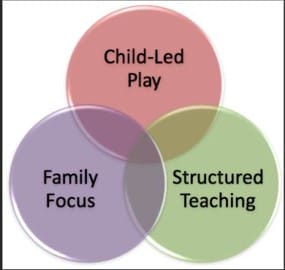
    During visits, time will be dedicated to child-led play, structured teaching and family focussed discussion.  Time will be spent getting to know the child, what interests them and how best they learn new skills. The family will be given activities and strategies to practice and enjoy between home visits.

    Home visitors will work flexibly and sensitively to ensure that the information you have regarding your child’s SEND, is relevant and presented in a way you can understand.  They will work in partnership with other professionals involved with your child in an holistic, child-led approach to learning and development.  Home Visitors will support the child and family as they move into their chosen Early Years Setting.

    Home visitors will liaise with other people involved with the child and prepare a shared plan of support. The plan will be broken down into small steps with an appropriate set of activities. These will include the child’s known interests to ensure the teaching and learning is fun and enjoyable. The staff at the child’s early years provision will be included in practising the activities in the plan. The support plan is reviewed regularly together.

    Home visits may include face to face visits, virtual communication such as Zoom or telephone calls.  All interaction will aim to cover the following:

    • A holistic assessment of the child’s development using Early Years assessment tools, child observation, parent views and current health assessments
    • Identification of parental key priorities in terms of their child’s learning and/or any care-coordination or signposting needs
    • Modelling of play activities and strategies with parents to support their key priorities in their child’s learning and development

    Depending on your child’s needs, the Home Visitors will facilitate the Educational Health and Care Plan process with you, supporting you to ensure Requests for Statutory Assessment are completed in good time. 

    Who can make a referral to the Portage Service

    Referrals can be made from:

    • Health Visitors
    • Paediatricians
    • The Child Development Centre
    • Child care providers (Nurseries, Childminders, Preschools)
    • Parents

    Download the Portage referral form

    Pathway flowchart for Portage Home Visiting 0-3 ½ years age

    Contact details

    Telephone:   01803 208579

    Email:   portageteam@torbay.gov.uk

    Torbay Portage Service | Facebook

    Related services   

    Links to other websites

    Open in new tab to share or print: Torbay Portage Service

    Last updated:

    torbay portage service.

pen with post it notes on desk

Skip to content