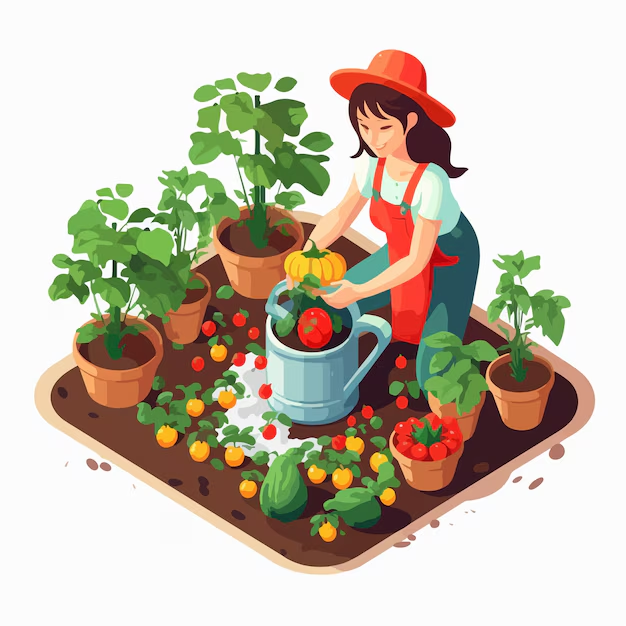
Eating vegetables you’ve grown yourself can be really satisfying. Not only is it healthier and cheaper, but it can taste better, and it’s more eco friendly. The hardest part of learning to grow your own is knowing how to start.
- Pick the right location – The best place will have: 6 hours of sun; moist, well-drained soil, a calm spot (out of direct strong winds, or places with high footfall or known to flood; have a nearby water source.
- Choose a plot size – for a beginner a small, manageable plot of around 200sq ft (the size of a one-car garage) is ideal.
- Set up your plot – remove any weeds; dig over the soil to about one spade deep; break up the soil to aerate – remove any stones or weed stems; if using a raised bed fill will good quality well-draining soil.
- Choose your crops – good vegetables for beginners to grow are: tomatoes, green beans, chard, courgettes, lettuce, spinach, peppers, carrots, beetroot, radish – but the choice is yours!
- Choose what your family (and you!) like to eat and be realistic about how many vegetables your family will eat. Consider what’s in the shops – also, homegrown herbs are much cheaper than those you buy in shops.
- Think about timing – planning a summer holiday? Some veg like tomatoes and courgette grow strongest in the middle of summer. If you’re gone, you will need someone to look after them, or they will suffer. You can also grow cool-season crops such as lettuce, kale, peas, and root veg during the cooler months of late spring and early autumn.
Useful websites