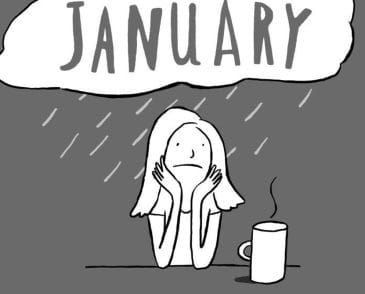
The January blues are a temporary period of low mood, sadness, and low energy that many people experience after the Christmas season. This dip in mood is often caused by a combination of factors, including the colder, darker days of winter, financial strain after the holidays, and the return to work after a long break. Here are some tips to help you cope if the January blues hit you…
- Understand that it’s normal – There are biological reasons why many people feel low and lack energy during January and there is nothing ‘wrong’ with having these feelings. Many people will be going through the same or similar feelings, but you may not realise it. Understanding that it is a natural response is helpful.
- Get as much daylight as possible – Lack of daylight is partly why people suffer from “The January Blues”. Not getting enough sunlight and Vitamin D, has been shown to decrease our happiness and leaves us feeling down in the dumps. The sunlight can make you feel better and also help to regulate your sleep cycles properly. Exposure to natural light increases the level of serotonin in the brain, which is associated with improved mood.
- Keep fit and stay active – Regular exercise has been proven to reduce stress, help improve self-esteem levels and relieve depressive tendencies as exercise releases endorphins which gives your body a positive feeling of happiness. The exercise can take any form, even if it is just gentle or moderate activities like jogging, yoga or even a brief lunchtime walk.
- Avoid unrealistic New Year’s resolutions – One of the reasons why people suffer from the January Blues is that they are overly ambitious with their New Year’s resolutions and are left feeling unhappy when they can’t fulfil them. Making resolutions to better yourself is a good thing, but make sure they are things you can stick to. Avoid difficult and vague resolutions such as “save money”, “be more organised” and make sure it is one you can actually achieve and measure.
- Sleep well – National Sleep Foundation guidelines advise that healthy adults need between seven and nine hours of sleep per night. Poor sleep can have a negative impact on your mental health and lead you feeling irritable, anxious and worried. Try to reduce screen time in the evenings to let your brain switch off and allow for a good quality of sleep.
Helpful websites and support